

Can I install flexible wall tiles on a wallpapered wall?
Jan 06, 2026
Leave a message
Hey there! As a supplier of flexible wall tiles, I often get asked a bunch of questions from folks looking to spruce up their spaces. One question that pops up quite a bit is, "Can I install flexible wall tiles on a wallpapered wall?" Well, let's dive right into it and find out.
Understanding Flexible Wall Tiles
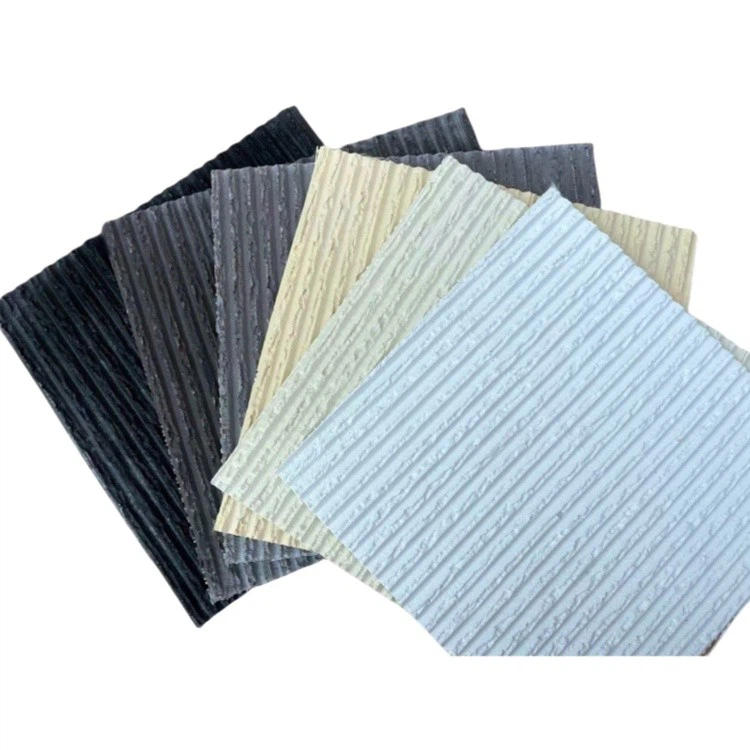
First off, let's talk a bit about what flexible wall tiles are. We've got Flexible Porcelain Tile and Flexible Ceramic Tile, which fall under the category of Flexible Wall Tile. These tiles are super cool because they're not your typical rigid tiles. They're bendy and can be easily cut to fit around corners, curves, and all sorts of tricky spots. They come in a wide range of colors, patterns, and textures, so you can really get creative with your interior design.
The Wallpapered Wall Dilemma
Now, back to the big question. Can you install flexible wall tiles on a wallpapered wall? The short answer is, it depends. There are a few factors you need to consider before you start slapping those tiles up.

Condition of the Wallpaper
The first thing you need to look at is the condition of the wallpaper. If the wallpaper is old, peeling, or has a lot of bubbles, it's probably not a good idea to install the tiles on it. The tiles need a smooth, stable surface to adhere to, and a wonky wallpaper just won't cut it. You'll end up with tiles that don't stick properly, and you'll be dealing with a mess in no time.
On the other hand, if the wallpaper is in good condition, with no signs of damage or peeling, you might be able to get away with it. But even then, you need to make sure the wallpaper is firmly attached to the wall. You can do a simple test by gently rubbing your hand over a small area of the wallpaper. If it feels loose or starts to peel up, it's best to remove it before installing the tiles.
Type of Wallpaper
The type of wallpaper also matters. Some wallpapers have a smooth, glossy finish, while others are more textured. Smooth wallpapers are generally better for tile installation because they provide a more even surface for the adhesive to bond to. Textured wallpapers can make it difficult for the tiles to adhere properly, as the adhesive might not be able to penetrate all the nooks and crannies.
If you have a textured wallpaper, you might be able to sand it down to create a smoother surface. But be careful not to sand too hard and damage the wallpaper or the wall underneath. You can also try applying a primer to the wallpaper before installing the tiles. The primer will help to seal the surface and provide a better base for the adhesive.
Adhesive Compatibility
Another important factor to consider is the compatibility of the adhesive with the wallpaper. Not all adhesives are created equal, and some might not work well with certain types of wallpaper. You need to choose an adhesive that is specifically designed for use with flexible wall tiles and is compatible with the type of wallpaper you have.
Before you start the installation, it's a good idea to do a small test patch. Apply a small amount of the adhesive to the wallpaper and let it dry according to the manufacturer's instructions. Then, try to bond a small piece of the tile to the test patch. If the tile doesn't stick properly or if the wallpaper starts to peel, you need to choose a different adhesive or remove the wallpaper.
The Installation Process
If you've determined that it's safe to install the flexible wall tiles on the wallpapered wall, here's a step-by-step guide on how to do it:
- Prepare the Wall: Clean the wallpapered wall thoroughly to remove any dust, dirt, or grease. You can use a mild detergent and a sponge to wipe down the wall. Rinse the wall with clean water and let it dry completely.
- Measure and Cut the Tiles: Measure the area where you want to install the tiles and cut the tiles to the appropriate size using a utility knife or a tile cutter. Make sure to leave a small gap around the edges of the tiles to allow for expansion and contraction.
- Apply the Adhesive: Apply the adhesive to the back of the tile using a notched trowel. Make sure to spread the adhesive evenly and cover the entire back of the tile.
- Install the Tiles: Press the tile firmly onto the wallpapered wall, starting from the bottom and working your way up. Use a level to make sure the tile is straight and even. Apply pressure to the tile to ensure a good bond.
- Repeat the Process: Continue installing the tiles row by row, using spacers to keep the tiles evenly spaced. Make sure to stagger the joints between the tiles for a more professional look.
- Trim the Tiles: Once you've installed the tiles, use a tile cutter or a utility knife to trim any excess tile around the edges of the wall.
- Grout the Tiles: After the adhesive has dried completely, you can apply grout to the joints between the tiles. Use a grout float to spread the grout evenly over the joints, making sure to fill them completely. Wipe off any excess grout with a damp sponge.
- Seal the Tiles: Once the grout has dried, you can apply a sealer to the tiles to protect them from stains and moisture. Follow the manufacturer's instructions for applying the sealer.
Pros and Cons of Installing Tiles on a Wallpapered Wall
Now that we've covered the installation process, let's talk about the pros and cons of installing flexible wall tiles on a wallpapered wall.
Pros
- Time-Saving: Installing tiles on a wallpapered wall can save you a lot of time and effort compared to removing the wallpaper first. You don't have to deal with the hassle of scraping off the wallpaper or repairing the wall underneath.
- Cost-Effective: If the wallpaper is in good condition, you can save money by not having to buy new wallpaper or hire a professional to remove the old wallpaper.
- Less Mess: Installing tiles on a wallpapered wall creates less mess compared to removing the wallpaper. You don't have to worry about wallpaper scraps flying everywhere or dealing with the dust and debris from wall repair.
Cons
- Risk of Peeling: If the wallpaper is not firmly attached to the wall or if the adhesive is not compatible with the wallpaper, the tiles might start to peel off over time.
- Uneven Surface: Textured wallpapers can create an uneven surface for the tiles, which can make them look bumpy or uneven.
- Limited Durability: The lifespan of the tiles might be shorter if they are installed on a wallpapered wall compared to a bare wall. The wallpaper might start to deteriorate over time, which can affect the adhesion of the tiles.
Final Thoughts
So, can you install flexible wall tiles on a wallpapered wall? The answer is yes, but only if the wallpaper is in good condition, the type of wallpaper is suitable for tile installation, and the adhesive is compatible with the wallpaper. It's important to do a thorough assessment of the wall and the wallpaper before you start the installation to ensure a successful outcome.
If you're still not sure whether to install the tiles on a wallpapered wall or not, I'd be happy to help. As a supplier of Flexible Wall Tile, I have a lot of experience with tile installation and can provide you with more guidance and advice. Feel free to reach out to me if you have any questions or if you're interested in purchasing our flexible wall tiles. I'm always here to help you create the perfect space for your home or business.
References
- Tile Council of America. (n.d.). Tile Installation Handbook.
- Manufacturer's instructions for flexible wall tiles and adhesive.