

Is pvc flooring sheet suitable for museums?
Jan 06, 2026
Leave a message
Museums are places where history, art, and culture come alive. They house precious artifacts, artworks, and historical items that need to be preserved and presented in the best possible way. One crucial aspect of a museum's environment is its flooring. As a PVC flooring sheet supplier, I often get asked whether PVC flooring sheets are suitable for museums. In this blog post, I'll provide a comprehensive analysis to help museum curators, administrators, and designers make an informed decision.
Advantages of PVC Flooring Sheets for Museums
1. Durability
PVC flooring sheets are known for their high durability. Museums typically experience a significant amount of foot traffic, especially in popular galleries and exhibition areas. PVC flooring can withstand the constant wear and tear caused by footsteps, trolleys used for moving exhibits, and the shifting of heavy display cases. [A study by the Flooring Industry Research Center](Research on the longevity of different flooring materials in high - traffic areas) showed that PVC flooring can last up to 10 - 15 years with proper maintenance, even in areas with high human flow. This long lifespan makes it a cost - effective choice for museums, as they don't have to worry about frequent replacements.
2. Low Maintenance
Museums need a flooring solution that is easy to clean and maintain. PVC flooring sheets are resistant to stains, dirt, and moisture. Regular cleaning can be as simple as sweeping or vacuuming to remove dust and debris, followed by mopping with a mild cleaning solution. Unlike some natural stone or wood flooring, PVC does not require special treatments or refinishing to keep it looking good. This low - maintenance feature is essential for museums, as they need to focus their resources on preserving and displaying their collections rather than spending excessive time and money on floor upkeep.
3. Safety
Safety is a top priority in museums. PVC flooring sheets can be designed with anti - slip properties, which is crucial to prevent accidents, especially in areas where there may be spills or where visitors may be moving quickly. The smooth surface of PVC flooring can also reduce the risk of tripping compared to some uneven or textured flooring options. Additionally, PVC flooring can be made fire - resistant, meeting the strict safety standards required in public buildings like museums.
4. Design Flexibility
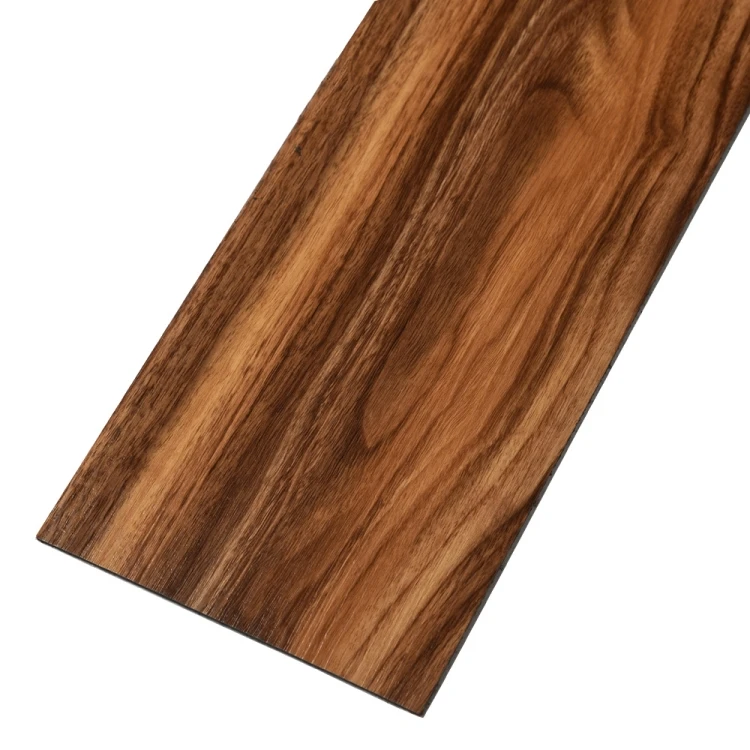
Museums often have unique architectural designs and themes, and the flooring needs to complement these. PVC flooring sheets offer a wide range of design options. They can mimic the look of natural materials such as wood, stone, or marble, providing an elegant and sophisticated aesthetic. At the same time, they can also be customized with patterns, colors, and logos to match the museum's branding or the theme of a specific exhibition. For example, a museum dedicated to a particular era could use PVC flooring with a pattern inspired by the art or architecture of that time. You can explore a variety of design options on our Vinyl PVC Flooring page.
5. Acoustic Properties
Noise reduction is important in museums to create a peaceful and immersive environment for visitors. PVC flooring sheets can absorb sound, reducing the echo and noise generated by footsteps in large, open spaces. This acoustic property can enhance the overall visitor experience, allowing them to focus on the exhibits without being distracted by excessive noise.
Potential Drawbacks of PVC Flooring Sheets for Museums
1. Chemical Emissions
Some PVC flooring products may emit volatile organic compounds (VOCs) during the manufacturing process and in the early days after installation. These emissions can be a concern in museums, as they may have a negative impact on the air quality and potentially damage sensitive artifacts. However, modern PVC flooring manufacturers are increasingly producing low - or zero - VOC products. When choosing PVC flooring for a museum, it's important to select materials that have been certified as having low VOC emissions.

2. Heat and UV Sensitivity
PVC flooring can be sensitive to high temperatures and prolonged exposure to sunlight. In museums with large windows or areas exposed to direct sunlight, the flooring may fade or warp over time. To mitigate this, it may be necessary to install UV - blocking window films or use curtains and blinds to control sunlight exposure. Additionally, in areas with significant heat sources, such as near heating vents, the flooring may be at risk of deformation.
3. Long - Term Environmental Impact
Although PVC flooring is durable and long - lasting, its disposal at the end of its life cycle can be an environmental concern. PVC is a type of plastic, and proper recycling methods for PVC flooring are still in the development stage in many regions. However, some manufacturers are now focusing on developing more sustainable PVC flooring options, such as using recycled content in the production process.
Considerations for Choosing PVC Flooring Sheets for Museums
1. Quality and Certification
When selecting PVC flooring sheets for a museum, it's crucial to choose high - quality products from reliable manufacturers. Look for certifications such as [FloorScore](FloorScore certification for low - emitting flooring products), which indicates that the flooring meets strict indoor air quality standards. These certifications can give you confidence that the flooring will not emit harmful chemicals into the museum environment.
2. Installation
Proper installation is key to ensuring the performance and longevity of PVC flooring. Hire experienced installers who are familiar with PVC flooring installation techniques. They should ensure that the subfloor is properly prepared, free of cracks, and level. Incorrect installation can lead to issues such as bubbling, curling, or uneven wear.
3. Compatibility with Museum Collections
Before installing PVC flooring, consider the potential impact on the museum's collections. Some materials in PVC flooring may react with certain artifacts or artworks. Consult with conservation experts to ensure that the chosen flooring is compatible with the types of items displayed in the museum.
4. Cost - Benefit Analysis
While PVC flooring is generally cost - effective in terms of long - term durability and low maintenance, it's important to conduct a thorough cost - benefit analysis. Compare the upfront cost of PVC flooring with other flooring options, taking into account the expected lifespan, maintenance requirements, and potential impact on the museum's operations.
Conclusion
In conclusion, PVC flooring sheets can be a suitable option for museums, offering a range of benefits such as durability, low maintenance, safety, design flexibility, and acoustic properties. However, it's important to be aware of the potential drawbacks, such as chemical emissions, heat and UV sensitivity, and environmental impact. By carefully considering the quality, installation, compatibility with museum collections, and conducting a cost - benefit analysis, museums can make an informed decision.
If you are a museum curator, administrator, or designer considering PVC flooring sheets for your project, I encourage you to explore our PVC Flooring Sheet and PVC Tile Flooring options. We have a team of experts who can provide you with detailed information and guidance to help you choose the best flooring solution for your museum. Contact us to start a procurement discussion and find the perfect PVC flooring for your unique needs.
References
- Research on the longevity of different flooring materials in high - traffic areas
- FloorScore certification for low - emitting flooring products