

Can PVC ceiling panels be installed over an existing ceiling?
May 19, 2025
Leave a message
Hey there! As a supplier of PVC ceiling panels, I often get asked if these panels can be installed over an existing ceiling. Well, the short answer is yes, in most cases, you can install PVC ceiling panels over an existing ceiling. But there are a few things you need to know before you get started.
Why Install PVC Ceiling Panels Over an Existing Ceiling?
First off, let's talk about why you might want to do this. One of the biggest advantages is the cost and time savings. Tearing down an old ceiling can be a messy and expensive process. It involves a lot of labor, and you'll also have to deal with the disposal of the old materials. On the other hand, installing PVC ceiling panels over the existing ceiling is a much quicker and cleaner job. You can save a significant amount of money on labor costs and get your new ceiling up and running in no time.
Another benefit is that it can help to improve the insulation of your room. PVC ceiling panels have some insulating properties, which can help to keep your room warmer in the winter and cooler in the summer. This can lead to energy savings over time, as your heating and cooling systems won't have to work as hard.
What Types of Existing Ceilings Can You Install PVC Panels Over?
Most types of existing ceilings can handle the installation of PVC panels. Drywall ceilings are a common choice, and they work great with PVC panels. The smooth surface of drywall provides a good base for the panels to be attached to. Plaster ceilings can also work, but you need to make sure that the plaster is in good condition. If there are any cracks or loose areas, you'll need to repair them before installing the PVC panels.
Tile ceilings can be a bit more challenging. The tiles need to be firmly attached to the ceiling, and you may need to use a different method of installation, such as using adhesive or furring strips. However, with the right approach, it's definitely possible to install PVC panels over a tile ceiling.
Preparing the Existing Ceiling
Before you start installing the PVC ceiling panels, you need to prepare the existing ceiling. First, clean the surface thoroughly to remove any dust, dirt, or debris. This will ensure that the panels adhere properly. If there are any loose paint or wallpaper, you'll need to scrape it off.
Next, inspect the ceiling for any damage. Look for cracks, holes, or water stains. If you find any issues, you'll need to repair them before proceeding. For small cracks, you can use a crack filler. Larger holes may require patching with drywall or plaster.
Installing the PVC Ceiling Panels
There are a few different methods for installing PVC ceiling panels over an existing ceiling. One common method is to use furring strips. Furring strips are thin pieces of wood or metal that are attached to the existing ceiling. They provide a level surface for the PVC panels to be attached to and also create an air gap, which can help with insulation.
To install the furring strips, measure and mark the ceiling where you want to place them. Use a level to make sure they are straight. Then, attach the furring strips to the ceiling using screws or nails. Once the furring strips are in place, you can start attaching the PVC panels. You can use adhesive or clips to secure the panels to the furring strips.
Another method is to use adhesive directly on the existing ceiling. This method is best for smooth surfaces like drywall. Apply the adhesive to the back of the PVC panel and press it firmly onto the ceiling. Make sure to align the panels properly and use a roller to ensure good adhesion.
Choosing the Right PVC Ceiling Panels
When it comes to choosing PVC ceiling panels, there are a few things to consider. First, think about the style and color you want. PVC panels come in a wide range of colors and designs, so you can find something that matches your decor. For a classic look, you might consider the White PVC Ceiling. It's a clean and versatile option that can work in any room.
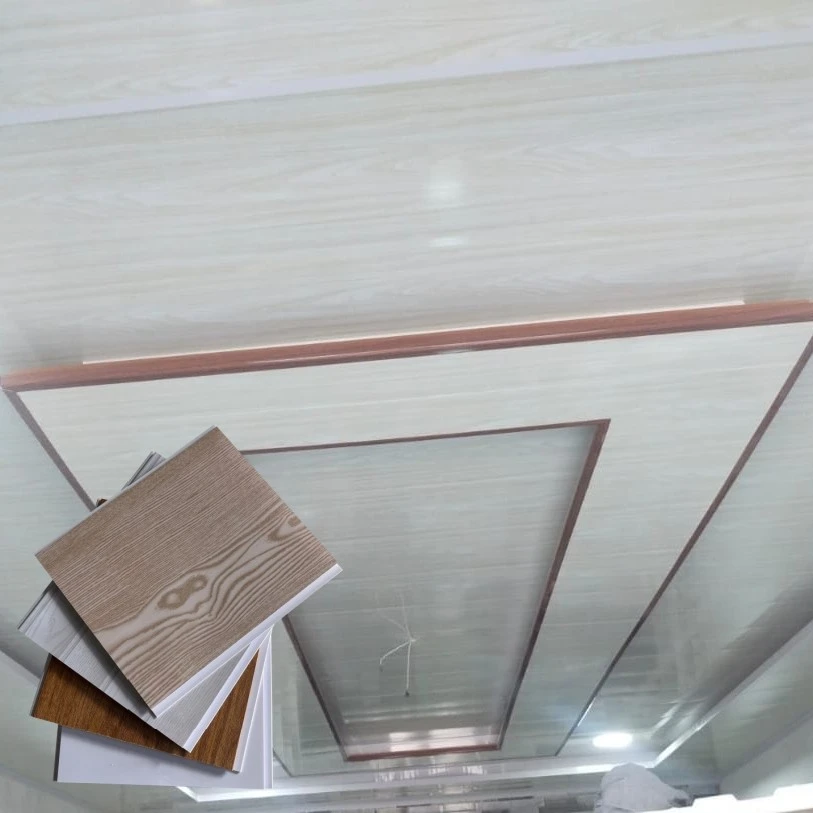
If you're looking for a more budget-friendly option, especially for a bathroom ceiling, the Cheap PVC Cladding Bathroom Ceiling is a great choice. It's durable and moisture-resistant, making it perfect for wet areas.
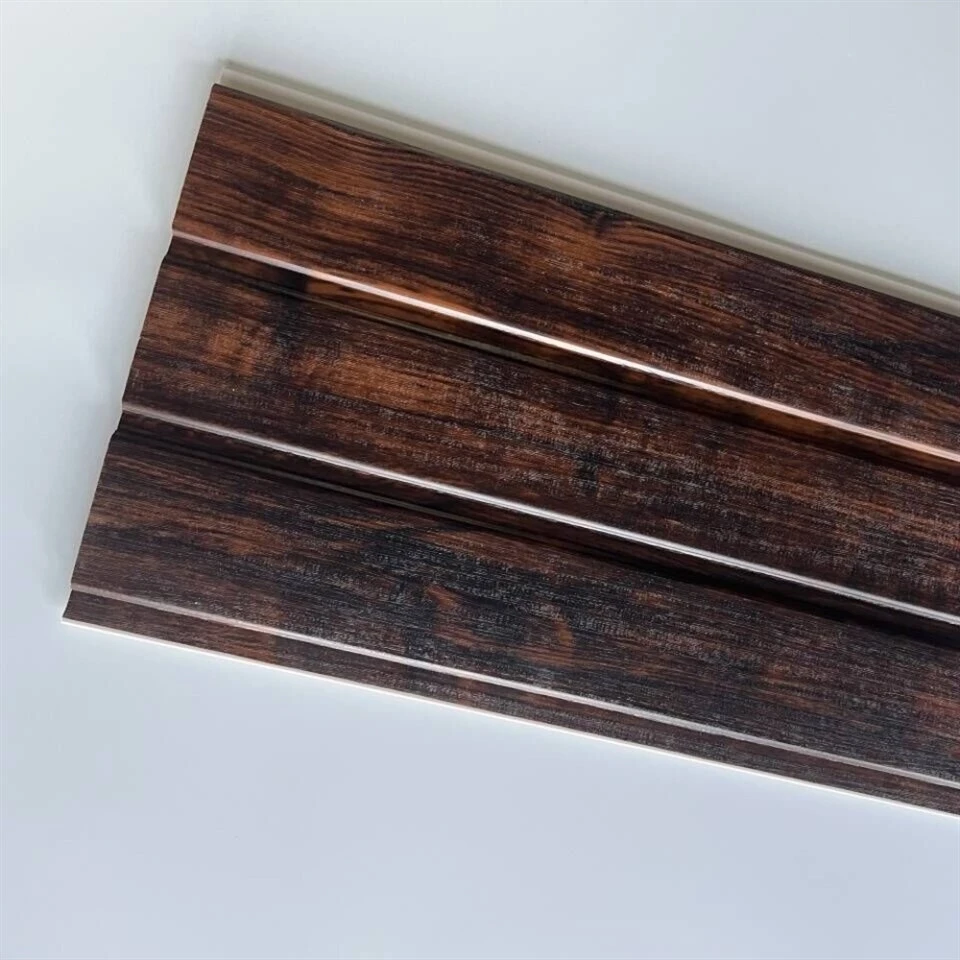
For a more decorative look, the PVC Ceiling Cladding offers a variety of patterns and textures that can add a touch of elegance to your room.
Maintenance and Durability
One of the great things about PVC ceiling panels is that they are low maintenance. They are easy to clean – just wipe them down with a damp cloth and mild detergent. They are also resistant to moisture, mold, and mildew, which makes them a great choice for bathrooms, kitchens, and other areas with high humidity.
In terms of durability, PVC ceiling panels can last for many years. They are made from a strong and flexible material that can withstand normal wear and tear. However, like any product, they can be damaged if they are subjected to excessive force or impact.

Conclusion
So, to sum it up, yes, you can install PVC ceiling panels over an existing ceiling. It's a cost-effective, time-saving, and practical solution for updating your ceiling. With the right preparation and installation, you can have a beautiful new ceiling in no time.
If you're interested in purchasing PVC ceiling panels for your project, I'd love to help. Whether you have questions about the installation process or need advice on choosing the right panels, feel free to reach out. We're here to make your ceiling installation as smooth and hassle-free as possible.
References
- "Home Improvement Handbook" - A comprehensive guide to various home improvement projects, including ceiling installations.
- "PVC Building Materials: Properties and Applications" - A technical resource that provides in - depth information about PVC materials used in construction.