

Do PVC ceiling panels attract dust?
May 19, 2025
Leave a message
Yo, folks! As a supplier of PVC ceiling panels, I often get asked this question: "Do PVC ceiling panels attract dust?" Well, let's dive right into it and find out the truth.
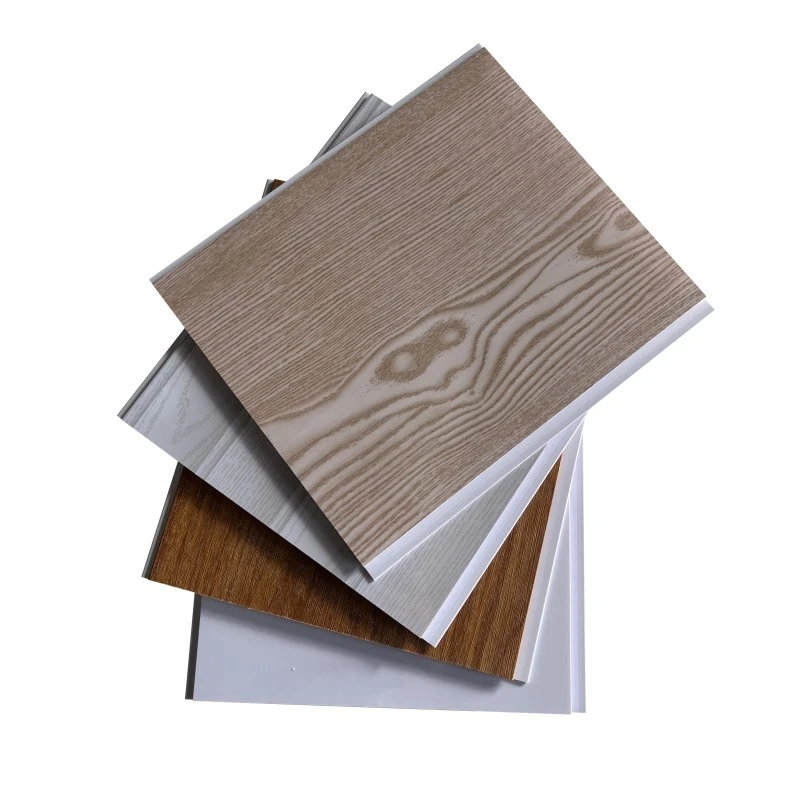
First off, let's understand what PVC ceiling panels are. PVC stands for polyvinyl chloride, which is a type of plastic. These panels are popular for ceiling installations because they're affordable, easy to install, and come in a variety of styles and colors. You can check out our False PVC Ceiling Panel, Cheap PVC Ceiling Panel Outdoor, and Cheap Black PVC Ceiling options on our website.
Now, back to the main question. Do they attract dust? The short answer is yes, but it's not as bad as you might think. All surfaces in your home or building will attract some dust over time. Dust is everywhere - it's made up of tiny particles like skin cells, pet dander, pollen, and dirt that float around in the air. When these particles come into contact with a surface, they can stick to it.
PVC ceiling panels are smooth, and this smoothness can actually work in our favor. Unlike some textured or porous materials, dust doesn't have as many places to get trapped on a PVC panel. Think of it like a slippery slide. The dust particles are more likely to just kind of slide off or not stick as firmly compared to a rough - textured surface.
However, there are a few factors that can affect how much dust your PVC ceiling panels attract.
Location
If your ceiling is in a high - traffic area, there's going to be more air movement. This can stir up dust particles and make them more likely to land on the panels. For example, a hallway where people are constantly walking back and forth or a living room where there's a lot of activity. On the other hand, a storage room with less traffic might accumulate dust at a slower rate.
Air Quality
The quality of the air in your environment plays a huge role. If you live in an area with high pollution levels, or if there are sources of dust inside your building like a wood - burning stove or a construction site nearby, your PVC ceiling panels will attract more dust. Also, if your ventilation system isn't working properly, it can lead to a build - up of dust in the air, which will then settle on the panels.
Cleaning Routine
How often you clean your ceiling panels matters a lot. If you never clean them, dust will keep building up over time. But if you have a regular cleaning schedule, you can keep the dust at bay. A simple wipe - down with a damp cloth every few weeks can make a big difference. You don't need any fancy cleaning products either. Just some mild soap and water will do the trick.
Static Electricity
Sometimes, PVC can build up static electricity. Static charges can attract dust particles, similar to how a balloon sticks to your hair after you rub it. But this isn't a huge issue with PVC ceiling panels. You can reduce static by using an anti - static spray if you notice a lot of dust sticking due to static.
So, while PVC ceiling panels do attract some dust, it's manageable. And compared to other ceiling materials, they can be a great choice in terms of dust management.
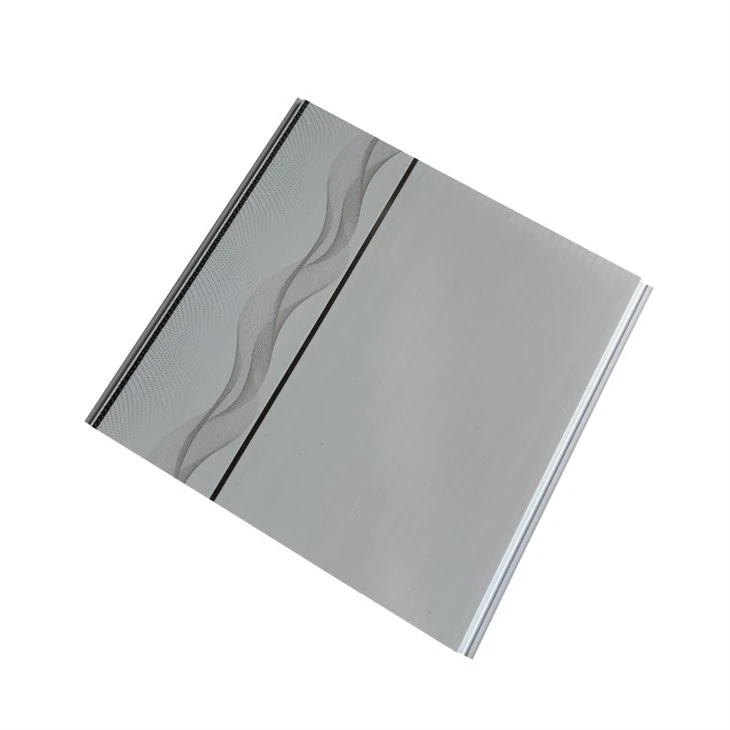
Let's compare PVC ceiling panels with some other common ceiling materials when it comes to dust attraction.
Drywall
Drywall is a popular choice for ceilings. It has a porous surface, which means dust can easily get trapped in the tiny holes and crevices. Cleaning drywall can be a bit tricky because you have to be careful not to damage the surface. Over time, dust can make drywall look dull and dirty.
Wood
Wood ceilings look great, but they also have a natural grain and texture that can collect dust. Wood can also absorb moisture, which can attract more dust and even lead to mold growth in some cases. And cleaning wood ceilings often requires special products to keep the wood looking good.
Metal
Metal ceilings are smooth like PVC, but they can also build up static electricity. And depending on the type of metal, they might be prone to rust or corrosion if not properly maintained. PVC, on the other hand, is resistant to moisture and doesn't rust.
Now, let's talk about the benefits of choosing PVC ceiling panels aside from their relatively low dust - attracting properties.
Cost - Effective
As I mentioned earlier, PVC ceiling panels are affordable. They're a great option if you're on a budget but still want a nice - looking ceiling. You can get a high - quality look without breaking the bank.
Easy Installation
You don't need to be a professional contractor to install PVC ceiling panels. They come in pre - cut sizes and are easy to fit together. This can save you a lot of money on installation costs.
Durability
PVC is a tough material. It's resistant to moisture, which means it won't warp or rot like some other materials. It can also withstand normal wear and tear, so your ceiling will last for a long time.
Variety
There's a wide range of styles, colors, and patterns available. Whether you want a modern, sleek look or a more traditional design, you can find a PVC ceiling panel that suits your taste.
In conclusion, while PVC ceiling panels do attract some dust, they're a great choice for your ceiling. They offer many benefits in terms of cost, installation, durability, and variety. With a simple cleaning routine, you can keep your PVC ceiling looking clean and fresh.
If you're interested in purchasing PVC ceiling panels for your next project, don't hesitate to reach out. We're here to answer any questions you might have and help you find the perfect panels for your needs. Contact us for a free quote and let's start this ceiling - beautifying journey together!
References
- "Building Materials Handbook" by John A. Reynolds
- Various industry reports on PVC products and their properties.