

Do PS wall panels have anti - UV properties?
Aug 14, 2025
Leave a message
As a PS wall panel supplier, I often encounter inquiries from customers regarding the various properties of our products, and one question that comes up frequently is whether PS wall panels have anti-UV properties. In this blog post, I will delve into this topic in detail, exploring the science behind UV protection, how it relates to PS wall panels, and the implications for their use in different environments.
Understanding UV Radiation and Its Effects
Ultraviolet (UV) radiation is a form of electromagnetic radiation that comes from the sun. It is divided into three types: UVA, UVB, and UVC. UVC is mostly absorbed by the Earth's atmosphere and does not reach the surface, but UVA and UVB can have significant effects on materials and living organisms.
UVA rays have a longer wavelength and can penetrate deeper into materials. They are responsible for long-term damage such as fading, discoloration, and degradation of polymers. UVB rays, on the other hand, have a shorter wavelength and are more energetic. They can cause immediate damage to the surface of materials, leading to cracking, chalking, and loss of mechanical properties.
When it comes to building materials like wall panels, exposure to UV radiation can lead to a range of problems. Fading and discoloration can make the panels look old and unattractive, while degradation can reduce their structural integrity and lifespan. Therefore, having anti-UV properties is crucial for wall panels, especially those used in outdoor or sun-exposed areas.
The Composition of PS Wall Panels and UV Resistance
PS, or polystyrene, is a widely used thermoplastic polymer known for its lightweight, rigid, and insulating properties. It is commonly used in the manufacturing of wall panels due to its cost-effectiveness and ease of processing. However, pure polystyrene is not inherently resistant to UV radiation.
When exposed to sunlight, polystyrene can undergo a process called photooxidation. This occurs when UV rays break the chemical bonds in the polymer chains, leading to the formation of free radicals. These free radicals can react with oxygen in the air, causing the polymer to degrade and lose its physical properties. Over time, this can result in yellowing, brittleness, and surface cracking of the wall panels.
To enhance the anti-UV properties of PS wall panels, manufacturers often add UV stabilizers to the polymer formulation. These stabilizers work by absorbing or dissipating the UV energy, preventing it from causing damage to the polymer chains. There are two main types of UV stabilizers used in PS wall panels: absorbers and quenchers.
UV absorbers work by absorbing the UV radiation and converting it into heat, which is then dissipated. They are typically organic compounds that have a high affinity for UV rays. Quenchers, on the other hand, work by reacting with the free radicals formed during photooxidation, neutralizing them before they can cause damage to the polymer. They are usually inorganic compounds such as metal oxides.
Assessing the Anti-UV Properties of PS Wall Panels
The anti-UV properties of PS wall panels can be assessed through various testing methods. One common method is accelerated weathering testing, which involves exposing the panels to artificial UV radiation in a controlled environment. This allows manufacturers to simulate the effects of long-term sunlight exposure in a relatively short period of time.
During accelerated weathering testing, the panels are typically exposed to a specific intensity and spectrum of UV radiation for a set number of hours. After the exposure, the panels are evaluated for changes in color, gloss, and mechanical properties. The results of these tests can provide valuable information about the panels' resistance to UV radiation and their expected lifespan in real-world conditions.
Another method for assessing the anti-UV properties of PS wall panels is outdoor exposure testing. This involves installing the panels in a real outdoor environment and monitoring their performance over time. Outdoor exposure testing provides a more realistic assessment of the panels' durability and resistance to UV radiation, as it takes into account the effects of other environmental factors such as temperature, humidity, and rainfall.
Applications of PS Wall Panels with Anti-UV Properties
PS wall panels with anti-UV properties have a wide range of applications, both indoors and outdoors. In outdoor applications, these panels can be used for exterior wall cladding, fences, and pergolas. Their resistance to UV radiation ensures that they maintain their color and appearance over time, even in harsh sunlight.
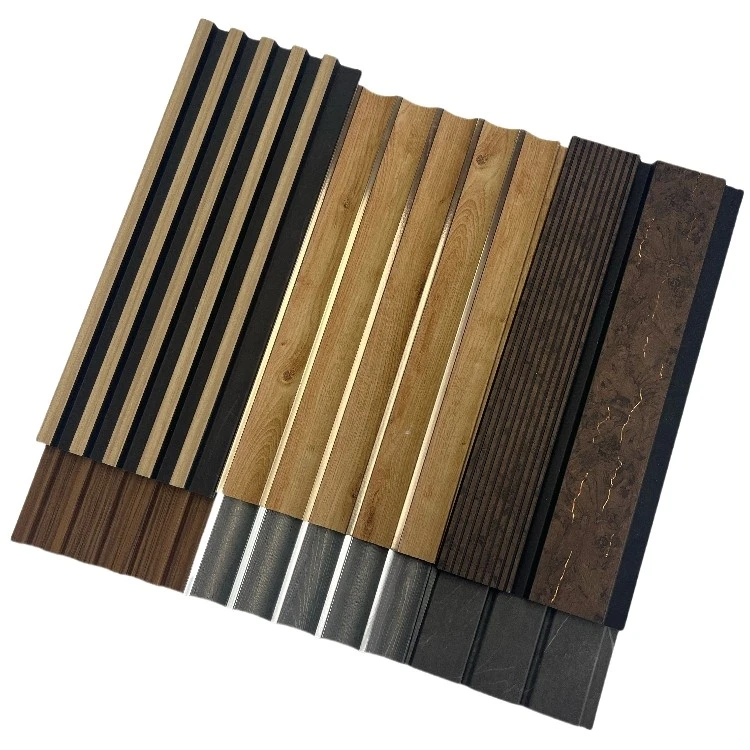
For example, our Waterproof PS Wall Panel is designed for outdoor use and features excellent anti-UV properties. It is made from high-quality polystyrene with added UV stabilizers, making it resistant to fading, discoloration, and degradation. This panel is also waterproof, making it suitable for use in areas prone to rain and moisture.
In indoor applications, PS wall panels with anti-UV properties can be used in areas where sunlight exposure is a concern, such as near windows or in sunrooms. Our PS Solid 3D Wall Panel and PS 3D Wall Panel are both available with anti-UV protection, providing a stylish and durable solution for interior wall decoration.
Advantages of Choosing PS Wall Panels with Anti-UV Properties
There are several advantages to choosing PS wall panels with anti-UV properties. Firstly, they offer long-term cost savings. By preventing fading and degradation, these panels have a longer lifespan, reducing the need for frequent replacement. This can result in significant savings over the life of the building.
Secondly, PS wall panels with anti-UV properties maintain their aesthetic appeal. They retain their original color and finish, ensuring that the building looks attractive and well-maintained for years to come. This is especially important for commercial buildings and public spaces, where the appearance of the building can have a significant impact on its value and reputation.

Finally, these panels are environmentally friendly. By reducing the need for replacement, they help to conserve resources and reduce waste. Additionally, the use of UV stabilizers in the manufacturing process can help to reduce the environmental impact of the panels by preventing the release of harmful chemicals into the environment.
Conclusion and Call to Action
In conclusion, PS wall panels can have anti-UV properties if they are formulated with the appropriate UV stabilizers. These stabilizers help to protect the panels from the damaging effects of UV radiation, ensuring that they maintain their color, appearance, and structural integrity over time. Whether you are looking for a solution for outdoor wall cladding or indoor wall decoration, our PS wall panels with anti-UV properties offer a durable, cost-effective, and aesthetically pleasing option.
If you are interested in learning more about our PS wall panels or would like to discuss your specific requirements, please do not hesitate to contact us. We are always happy to provide you with detailed information and assistance in choosing the right product for your project. Let's work together to create a beautiful and long-lasting space with our high-quality PS wall panels.
References
- ASTM International. (2018). Standard Practice for Operating a Fluorescent UV-Condensation Apparatus for Exposure of Nonmetallic Materials. ASTM G154 - 18.
- Wypych, G. (2004). Handbook of UV Degradation and Stabilization. ChemTec Publishing.
- Zweifel, H., Schiller, M., & Sonnenschein, M. (2004). Plastics Additives Handbook. Hanser Publishers.