

Is PVC ceiling cladding resistant to mold and mildew?
Aug 14, 2025
Leave a message
Mold and mildew are persistent problems in many indoor environments, especially in areas with high humidity such as bathrooms, kitchens, and basements. As a PVC ceiling cladding supplier, I often get asked whether our PVC ceiling cladding is resistant to these pesky fungi. In this blog post, I'll delve into the science behind PVC and its ability to resist mold and mildew, drawing on industry knowledge and research.
Understanding Mold and Mildew
Before discussing PVC's resistance, it's important to understand what mold and mildew are and what they need to grow. Mold and mildew are types of fungi that thrive in warm, damp, and dark environments. They reproduce by releasing spores into the air, which can settle on surfaces and grow into new colonies if the conditions are right. These fungi can cause a range of problems, from unsightly stains and odors to health issues such as allergies and respiratory problems.
The key factors for mold and mildew growth are moisture, organic matter, and a suitable temperature. Moisture is perhaps the most critical factor, as it provides the medium for spores to germinate and grow. Organic matter, such as wood, paper, and fabric, serves as a food source for the fungi. Temperatures between 77°F and 86°F (25°C and 30°C) are ideal for most mold and mildew species, but they can also grow at lower temperatures.
The Properties of PVC
PVC, or polyvinyl chloride, is a synthetic plastic polymer that is widely used in construction and other industries. It is known for its durability, versatility, and low cost. PVC ceiling cladding is made from a mixture of PVC resin, plasticizers, stabilizers, and other additives, which are melted and extruded into panels.
One of the main properties of PVC that makes it resistant to mold and mildew is its non-porous surface. Unlike materials such as wood and drywall, which have pores that can absorb moisture and provide a breeding ground for fungi, PVC has a smooth, sealed surface that prevents moisture from penetrating. This means that mold and mildew spores have nowhere to attach and grow, making PVC a less hospitable environment for these organisms.
In addition to its non-porous surface, PVC is also resistant to water and chemicals. It does not rot or decay when exposed to moisture, and it can withstand the effects of common household cleaning products. This makes it easy to clean and maintain, further reducing the risk of mold and mildew growth.
Research and Testing
Numerous studies have been conducted to evaluate the mold and mildew resistance of PVC materials. These studies have consistently shown that PVC has a high level of resistance to these fungi. For example, a study published in the Journal of Applied Microbiology found that PVC samples exposed to mold spores for several weeks showed no signs of growth, while samples of wood and drywall were heavily colonized by mold.
Another study, conducted by the National Association of Home Builders Research Center, tested the mold resistance of various building materials in a simulated bathroom environment. The results showed that PVC ceiling panels had the lowest mold growth rate compared to other materials, such as fiberglass and painted drywall.
These findings are supported by real-world experience. Many homeowners and businesses have installed PVC ceiling cladding in areas prone to moisture, such as bathrooms and kitchens, and have reported no problems with mold and mildew. The smooth, non-porous surface of PVC makes it easy to clean and maintain, and its resistance to water and chemicals ensures that it will last for many years without deteriorating.
Applications in High-Humidity Areas
Given its mold and mildew resistance, PVC ceiling cladding is an ideal choice for high-humidity areas such as bathrooms, kitchens, and basements. In bathrooms, where moisture levels are often high due to showers and baths, PVC ceiling cladding can prevent the growth of mold and mildew, which can cause unsightly stains and odors. It is also easy to clean, making it a practical choice for this type of environment.
In kitchens, PVC ceiling cladding can protect against the moisture and grease that are generated during cooking. It is resistant to stains and can be easily wiped clean, keeping the ceiling looking fresh and clean. Additionally, PVC ceiling cladding is available in a variety of colors and styles, allowing homeowners to choose a design that complements their kitchen decor.
Basements are another area where PVC ceiling cladding can be beneficial. These areas are often damp and prone to mold and mildew growth, especially if there is a problem with water infiltration. PVC ceiling cladding can help to prevent moisture from seeping into the ceiling and provide a barrier against mold and mildew. It is also a cost-effective solution for finishing a basement ceiling, as it is relatively inexpensive compared to other materials.
Our PVC Ceiling Cladding Products
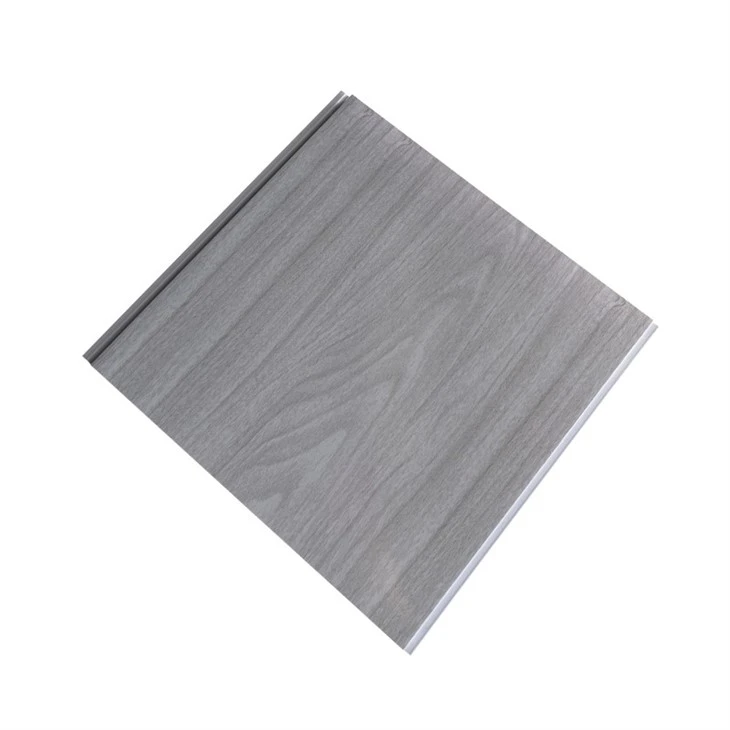
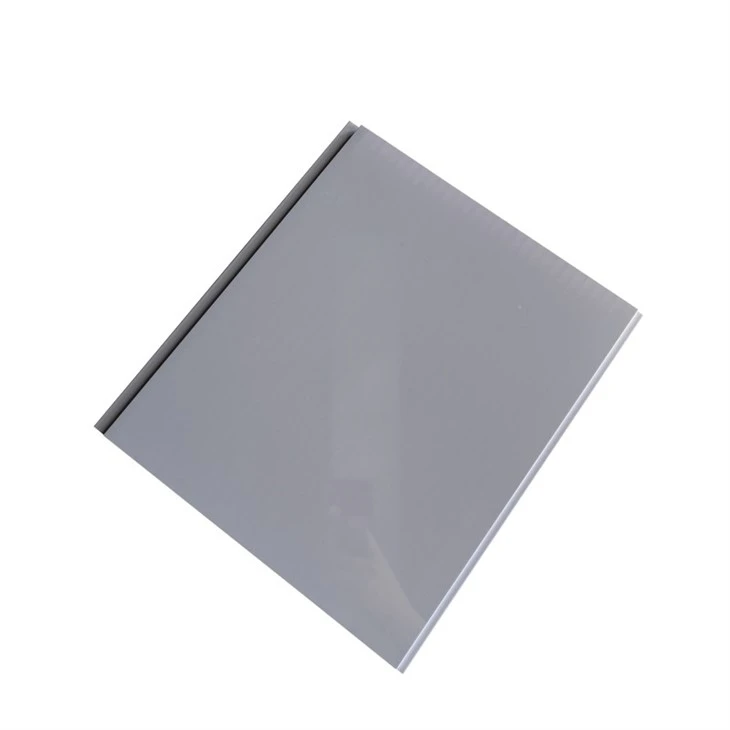
As a PVC ceiling cladding supplier, we offer a range of products that are designed to meet the needs of different customers and applications. Our PVC Tongue And Groove Ceiling is a popular choice for both residential and commercial projects. It features a unique tongue-and-groove design that allows for easy installation and a seamless finish. The panels are available in a variety of colors and textures, making it easy to find a style that suits your taste.
Our Kitchen PVC Ceiling is specifically designed for use in kitchens. It is resistant to moisture, grease, and stains, and it can be easily cleaned with a damp cloth. The panels are available in a range of colors and patterns, allowing you to create a stylish and functional kitchen ceiling.
For bathrooms, we offer a Cheap PVC Cladding Bathroom Ceiling that is both affordable and durable. It is resistant to mold and mildew, and it can withstand the high humidity levels that are common in bathrooms. The panels are available in a variety of sizes and colors, making it easy to find a solution that fits your budget and design requirements.
Conclusion
In conclusion, PVC ceiling cladding is highly resistant to mold and mildew due to its non-porous surface, water resistance, and chemical resistance. Research and testing have consistently shown that PVC has a high level of resistance to these fungi, making it an ideal choice for high-humidity areas such as bathrooms, kitchens, and basements.
As a PVC ceiling cladding supplier, we are committed to providing our customers with high-quality products that are both functional and stylish. Our range of PVC ceiling cladding products is designed to meet the needs of different customers and applications, and we are confident that we can provide you with the perfect solution for your project.
If you are interested in learning more about our PVC ceiling cladding products or would like to discuss your specific requirements, please do not hesitate to contact us. We would be happy to provide you with more information and assist you with your purchase.
References
- Journal of Applied Microbiology. "Mold Resistance of PVC and Other Building Materials."
- National Association of Home Builders Research Center. "Testing the Mold Resistance of Building Materials in a Simulated Bathroom Environment."