

How do flexible ceramic tiles handle temperature changes?
Aug 26, 2025
Leave a message
Hey there! I'm a supplier of flexible ceramic tiles, and today I wanna talk about how these amazing tiles handle temperature changes.
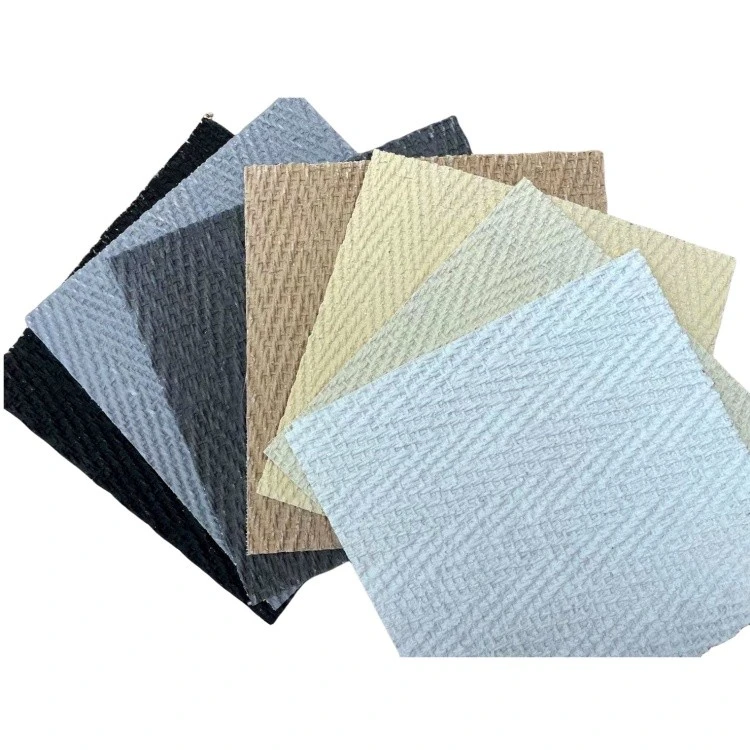
First off, let's get a bit of a background. Flexible ceramic tiles, like the ones you can check out at Flexible Ceramic Tile, are a relatively new innovation in the tiling world. They're different from traditional ceramic tiles because they can bend and flex to a certain degree. This flexibility gives them some unique properties when it comes to dealing with temperature variations.
Expansion and Contraction
One of the biggest challenges that any building material faces with temperature changes is expansion and contraction. When the temperature rises, materials tend to expand, and when it drops, they contract. Traditional ceramic tiles are pretty rigid. So, when they experience significant temperature changes, there's a risk of cracking or breaking. This is because the stress caused by expansion and contraction can't be absorbed, and the tile reaches its breaking point.
Flexible ceramic tiles, on the other hand, are designed to handle these changes much better. Their flexible nature allows them to expand and contract without cracking. The materials used in their production have a certain elasticity that enables them to stretch when it's hot and shrink back when it cools down. For example, in a sunny outdoor area where the temperature can soar during the day and drop at night, flexible ceramic tiles can adapt to these changes. They act like a rubber band, stretching and then going back to their original shape without any damage.
Thermal Conductivity
Another important aspect is thermal conductivity. Thermal conductivity refers to how well a material can transfer heat. In a building, tiles with high thermal conductivity can make a space heat up or cool down quickly depending on the outside temperature. This can be both a good and a bad thing.
Flexible ceramic tiles have a relatively low thermal conductivity compared to some other materials. This means that they don't transfer heat as quickly. In a cold climate, they can help keep the heat inside a building. The tiles act as an insulator, reducing the amount of heat that escapes through the floor or wall. On the flip side, in a hot climate, they can prevent the outside heat from easily entering the building. This can lead to energy savings as you won't need to use as much heating or cooling.
Frost Resistance
In areas where there's frost, traditional tiles can be at risk of damage. When water gets into the pores of the tile and freezes, it expands. This expansion can cause the tile to crack or break. Flexible ceramic tiles have better frost resistance. Their flexible structure can withstand the pressure caused by the freezing water. Even if water does get into the tile and freezes, the tile can flex to accommodate the expansion without cracking. This makes them a great choice for outdoor applications in colder regions.
Installation in Temperature - Prone Areas
When it comes to installation, flexible ceramic tiles are also a great option for areas with temperature changes. For instance, in a bathroom where the temperature can vary a lot between a hot shower and the normal room temperature, these tiles can handle it well. They can be installed on both walls and floors. You can check out Flexible Wall Tile for more information on using them on walls.
The installation process is also relatively straightforward. They can be cut easily to fit different spaces, and they adhere well to various surfaces. This means that even in areas where the surface might expand or contract slightly due to temperature changes, the tiles will stay in place.
Comparison with Other Flexible Tiles
There are also other types of flexible tiles out there, like Flexible Porcelain Tile. While porcelain tiles are known for their durability, flexible ceramic tiles have some advantages when it comes to temperature changes. Porcelain tiles can be more brittle in extreme temperature conditions. Flexible ceramic tiles, with their higher elasticity, can better adapt to a wider range of temperature variations.
Real - World Examples
Let's look at some real - world examples. A restaurant in a coastal area installed flexible ceramic tiles on its outdoor patio. The area experiences high temperatures during the day and cooler temperatures at night, and the tiles have held up great. There are no signs of cracking or damage even after several months. Another example is a residential bathroom. The homeowners were worried about the temperature changes from hot baths and normal room conditions. After installing flexible ceramic tiles, they noticed that the tiles not only looked great but also withstood the temperature variations without any issues.
Conclusion
So, in conclusion, flexible ceramic tiles are a great choice when it comes to handling temperature changes. Their ability to expand and contract, low thermal conductivity, and frost resistance make them suitable for a wide range of applications, both indoor and outdoor. Whether you're looking to tile a bathroom, a kitchen, or an outdoor patio, these tiles can provide a durable and aesthetically pleasing solution.
If you're interested in purchasing flexible ceramic tiles for your project, I'd love to have a chat with you. We can discuss your specific needs, the best tile options for your space, and get you the right product at a great price. Reach out to start the conversation and let's make your tiling project a success!

References
- "Handbook of Building Materials" - A comprehensive guide on different building materials and their properties.
- "Thermal Properties of Construction Materials" - A research paper that delves into how different materials react to temperature changes.