

What is the best way to install pvc vinyl flooring in a circular room?
Aug 26, 2025
Leave a message
Hey there! If you're looking to spruce up a circular room with some fresh PVC vinyl flooring, you've come to the right place. As a PVC vinyl flooring supplier, I've seen my fair share of flooring installations, and I'm here to share the best way to get the job done in a circular room.
Why PVC Vinyl Flooring?
First off, let's talk about why PVC vinyl flooring is a great choice for your circular room. PVC vinyl flooring is durable, easy to clean, and comes in a wide range of colors and patterns. It's also resistant to moisture, making it perfect for areas like bathrooms and kitchens. Plus, it's relatively inexpensive compared to other flooring options, so you can get a high-quality look without breaking the bank.
Measuring the Room
Before you start installing your PVC vinyl flooring, you need to measure the room accurately. This is especially important in a circular room, as you'll need to cut the flooring to fit the curve. To measure the room, you'll need a tape measure and a piece of string.
- Find the center of the room: Use a tape measure to find the center of the room. Mark the center point with a piece of tape.
- Measure the radius: From the center point, measure the distance to the wall. This is the radius of the room.
- Mark the circumference: Use a piece of string to mark the circumference of the room. Tie one end of the string to the center point and the other end to a pencil. Then, use the pencil to draw a circle on the floor.
- Measure the length and width: Measure the length and width of the room at the widest points. This will give you an idea of how much flooring you'll need.
Choosing the Right Flooring
Once you've measured the room, it's time to choose the right PVC vinyl flooring. There are several types of PVC vinyl flooring available, including PVC Tile Flooring, Vinyl PVC Flooring, and PVC Flooring Sheet.

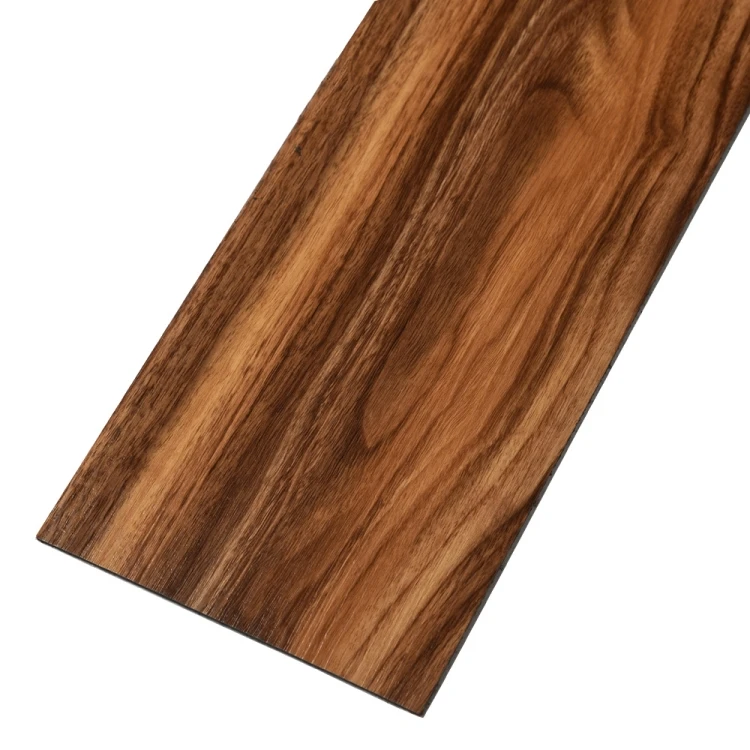
- PVC Tile Flooring: PVC tile flooring is a popular choice for circular rooms because it's easy to install and comes in a variety of sizes and shapes. You can choose from square, rectangular, or hexagonal tiles to create a unique look.
- Vinyl PVC Flooring: Vinyl PVC flooring is a more flexible option than tile flooring. It comes in large sheets that can be cut to fit the curve of the room. Vinyl PVC flooring is also more resistant to scratches and stains than tile flooring.
- PVC Flooring Sheet: PVC flooring sheet is a great choice for large circular rooms. It comes in rolls that can be cut to fit the size of the room. PVC flooring sheet is also easy to install and can be glued directly to the floor.
Preparing the Floor
Before you start installing your PVC vinyl flooring, you need to prepare the floor. This involves cleaning the floor, removing any old flooring, and making sure the floor is level.
- Clean the floor: Use a broom or vacuum cleaner to remove any dirt, dust, or debris from the floor. Then, use a mop and bucket to clean the floor with a mild detergent.
- Remove any old flooring: If there is any old flooring on the floor, you need to remove it before installing the new flooring. Use a floor scraper or a heat gun to remove the old flooring.
- Make sure the floor is level: Use a level to check if the floor is level. If the floor is not level, you need to level it before installing the new flooring. You can use a self-leveling compound to level the floor.
Installing the Flooring
Now that you've prepared the floor, it's time to install the PVC vinyl flooring. The installation process will depend on the type of flooring you've chosen.
Installing PVC Tile Flooring
- Lay out the tiles: Start by laying out the tiles on the floor to get an idea of how they will look. Make sure to leave a small gap between the tiles for expansion.
- Apply adhesive: Use a trowel to apply adhesive to the floor. Make sure to apply the adhesive evenly and in a thin layer.
- Place the tiles: Start placing the tiles on the adhesive, starting from the center of the room and working your way out. Use a rubber mallet to tap the tiles into place.
- Cut the tiles: Use a tile cutter or a utility knife to cut the tiles to fit the curve of the room. Make sure to measure the tiles carefully before cutting them.
- Grout the tiles: Once all the tiles are in place, use a grout float to apply grout to the joints between the tiles. Make sure to remove any excess grout with a damp sponge.
Installing Vinyl PVC Flooring
- Roll out the flooring: Roll out the vinyl PVC flooring on the floor, starting from the center of the room and working your way out. Make sure to leave a small gap between the flooring and the wall for expansion.
- Cut the flooring: Use a utility knife to cut the flooring to fit the curve of the room. Make sure to measure the flooring carefully before cutting it.
- Apply adhesive: Use a trowel to apply adhesive to the floor. Make sure to apply the adhesive evenly and in a thin layer.
- Place the flooring: Start placing the flooring on the adhesive, starting from the center of the room and working your way out. Use a roller to smooth out any air bubbles.
- Seal the edges: Use a sealant to seal the edges of the flooring to prevent water from seeping under the flooring.
Installing PVC Flooring Sheet
- Roll out the flooring: Roll out the PVC flooring sheet on the floor, starting from the center of the room and working your way out. Make sure to leave a small gap between the flooring and the wall for expansion.
- Cut the flooring: Use a utility knife to cut the flooring to fit the size of the room. Make sure to measure the flooring carefully before cutting it.
- Apply adhesive: Use a trowel to apply adhesive to the floor. Make sure to apply the adhesive evenly and in a thin layer.
- Place the flooring: Start placing the flooring on the adhesive, starting from the center of the room and working your way out. Use a roller to smooth out any air bubbles.
- Trim the edges: Use a utility knife to trim the edges of the flooring to fit the room. Make sure to leave a small gap between the flooring and the wall for expansion.
Finishing Touches
Once you've installed the PVC vinyl flooring, it's time to add some finishing touches. This involves cleaning the floor, installing baseboards, and adding any other decorative elements.
- Clean the floor: Use a mop and bucket to clean the floor with a mild detergent. Make sure to remove any dirt, dust, or debris from the floor.
- Install baseboards: Use a nail gun or a hammer and nails to install baseboards around the perimeter of the room. Make sure to measure the baseboards carefully before cutting them.
- Add decorative elements: You can add some decorative elements to the room, such as rugs, curtains, or wall art, to make the room look more inviting.
Conclusion
Installing PVC vinyl flooring in a circular room can be a challenging task, but it's definitely doable. By following these steps, you can ensure that your flooring installation goes smoothly and that your circular room looks great. If you have any questions or need more information, please don't hesitate to contact us. We're here to help you with all your PVC vinyl flooring needs.
If you're interested in purchasing PVC vinyl flooring for your circular room or any other project, we'd love to hear from you. Just reach out to us to start a conversation about your requirements, and we can guide you through the selection and purchasing process.
References
- "DIY Vinyl Flooring Installation Guide." HomeAdvisor.
- "How to Install Vinyl Flooring." This Old House.
- "PVC Vinyl Flooring: A Comprehensive Guide." FlooringStores.com.