

How does vinyl pvc flooring compare to laminate flooring?
Jul 10, 2025
Leave a message
When it comes to choosing the right flooring for your space, two popular options often come into consideration: vinyl PVC flooring and laminate flooring. As a vinyl PVC flooring supplier, I've witnessed firsthand the diverse needs of customers and the importance of making an informed decision. In this blog, I'll delve into a detailed comparison of these two flooring types, highlighting their features, pros, and cons to help you determine which is the best fit for your project.
1. Composition and Structure
- Vinyl PVC Flooring: Vinyl PVC flooring is made primarily from polyvinyl chloride (PVC), a synthetic plastic polymer. It typically consists of multiple layers, including a wear layer on top for protection against scratches and stains, a printed design layer that mimics the look of natural materials like wood or stone, and a backing layer for stability. There are different types of vinyl PVC flooring, such as PVC Flooring Sheet and PVC Tile Flooring. The sheet flooring comes in large rolls, which can be seamless when installed, making it ideal for areas prone to moisture. Tile flooring, on the other hand, offers more flexibility in terms of design and layout.
- Laminate Flooring: Laminate flooring is composed of a fiberboard core, usually made from medium - density fiberboard (MDF) or high - density fiberboard (HDF). It has a photographic layer that replicates the appearance of wood, stone, or other materials, and a clear protective layer on top. The core provides strength and stability, while the protective layer resists wear and tear.
2. Appearance
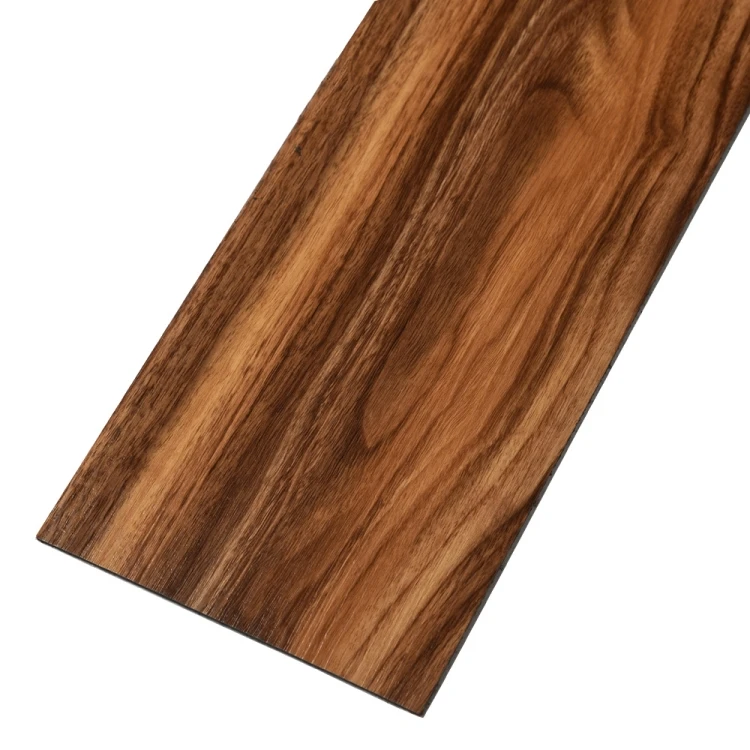
- Vinyl PVC Flooring: Vinyl PVC flooring has come a long way in terms of appearance. With advanced printing technology, it can closely mimic the look of natural wood, stone, or tile. The texture can also be embossed to match the visual pattern, providing a more realistic feel. For example, a vinyl plank floor can look and feel like real hardwood, with the added benefit of being more resistant to moisture.
- Laminate Flooring: Laminate flooring is also known for its wide range of design options. It can reproduce the look of various woods, including exotic species, and even some rare stones. However, some people may notice a slight difference in the texture compared to real wood or stone, especially when touching it.
3. Durability
- Vinyl PVC Flooring: Vinyl PVC flooring is highly durable, especially in high - traffic areas. The wear layer on top protects it from scratches, scuffs, and stains. It is also resistant to moisture, making it suitable for bathrooms, kitchens, and basements. Some vinyl PVC floors are rated for commercial use, which means they can withstand heavy foot traffic and furniture movement.
- Laminate Flooring: Laminate flooring is generally durable, but it is more prone to damage from moisture. If water seeps into the core through the joints, it can cause the boards to swell and warp. While modern laminate floors have improved moisture resistance, they are still not as suitable for wet areas as vinyl PVC flooring. In terms of scratch resistance, laminate can hold up well, but deep scratches may be more visible compared to vinyl.
4. Installation
- Vinyl PVC Flooring: The installation process for vinyl PVC flooring varies depending on the type. Sheet vinyl can be glued down for a seamless finish, which is great for areas where you want to prevent water from seeping through the joints. Tile vinyl can be either glued or installed using a click - lock system, which is quicker and easier. Some vinyl PVC floors can even be installed over existing floors, as long as the surface is smooth and clean.
- Laminate Flooring: Laminate flooring is known for its easy installation. Most laminate products use a click - lock or snap - together system, which allows for a floating installation. This means it doesn't need to be glued to the subfloor, and it can be installed over many existing floors, such as tile or hardwood. However, proper acclimation to the room's temperature and humidity is crucial to prevent expansion or contraction after installation.
5. Maintenance
- Vinyl PVC Flooring: Maintaining vinyl PVC flooring is relatively easy. Regular sweeping or vacuuming to remove dirt and debris, followed by occasional mopping with a mild cleaner, is usually sufficient. Spills can be wiped up quickly, and stains can often be removed with a simple cleaning solution.
- Laminate Flooring: Laminate flooring also requires minimal maintenance. Sweeping or vacuuming regularly helps prevent scratches from dirt particles. Mopping should be done sparingly, as excess moisture can damage the floor. Special laminate floor cleaners are recommended to keep the protective layer in good condition.
6. Cost
- Vinyl PVC Flooring: The cost of vinyl PVC flooring can vary widely depending on the quality, type, and brand. Generally, it is more affordable than high - end hardwood or natural stone flooring. Sheet vinyl is often the most budget - friendly option, while luxury vinyl tiles (LVT) can be more expensive but still offer a cost - effective alternative to real materials.
- Laminate Flooring: Laminate flooring is typically one of the most affordable flooring options on the market. It offers a good balance between cost and appearance, making it a popular choice for budget - conscious consumers. However, if you opt for high - quality laminate with advanced features, the price can increase.
7. Environmental Impact
- Vinyl PVC Flooring: The environmental impact of vinyl PVC flooring has been a topic of debate. PVC is a synthetic material that is derived from petroleum. However, some manufacturers are now producing more environmentally friendly vinyl PVC floors. These may be made from recycled materials or use less harmful chemicals in the production process. Additionally, vinyl PVC flooring can have a long lifespan, which reduces the need for frequent replacement.
- Laminate Flooring: Laminate flooring's environmental impact also depends on the manufacturing process. The fiberboard core is often made from wood by - products, which can be a more sustainable option. However, some laminate floors may contain formaldehyde, a potentially harmful chemical. Look for laminate floors that are certified to meet low - emission standards.
Conclusion
Both vinyl PVC flooring and laminate flooring have their own unique advantages and disadvantages. Vinyl PVC flooring is a great choice for areas with high moisture, such as bathrooms and kitchens, and it offers excellent durability and a wide range of design options. Laminate flooring, on the other hand, is known for its easy installation and affordability, making it suitable for many residential and light - commercial applications.
As a vinyl PVC flooring supplier, I can offer you a wide selection of Vinyl PVC Flooring products that meet your specific needs. Whether you're looking for a waterproof solution for your basement or a stylish floor for your living room, we have the expertise and products to help you make the right choice.
If you're interested in learning more about our vinyl PVC flooring products or would like to discuss a potential purchase, please don't hesitate to contact us. We're here to assist you in finding the perfect flooring for your project.

References
- "Flooring Materials: A Comprehensive Guide" by Flooring Industry Association
- "The Ultimate Guide to Vinyl and Laminate Flooring" by Home Improvement Magazine