

How to attach PVC ceiling boards to the ceiling frame?
Jul 10, 2025
Leave a message
Hey there! I'm a supplier of PVC ceiling boards, and today I'm gonna walk you through the process of attaching PVC ceiling boards to the ceiling frame. Whether you're a DIY enthusiast or a professional contractor, this guide will help you get the job done right.
Why Choose PVC Ceiling Boards?
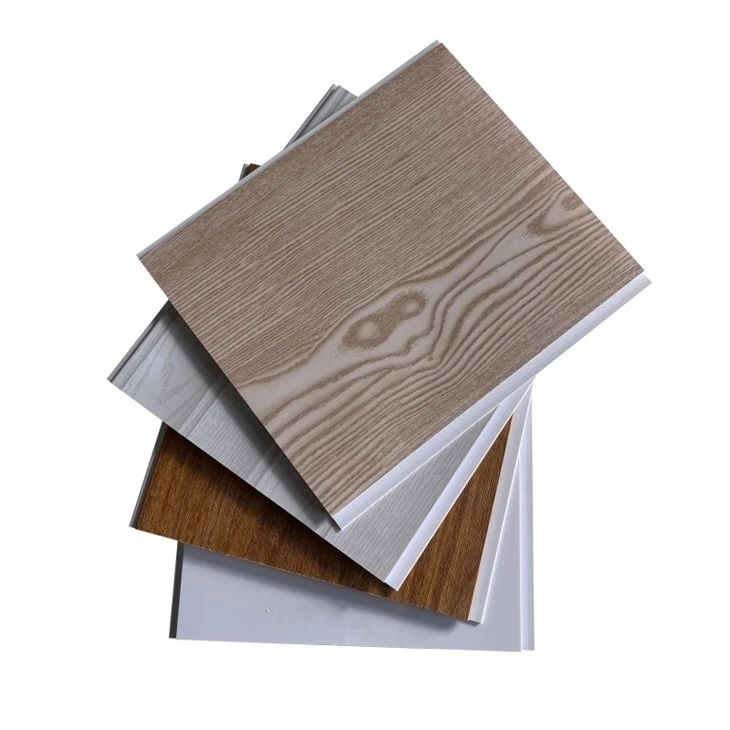
Before we dive into the installation process, let's quickly talk about why PVC ceiling boards are a great choice. First off, they're super affordable. You can check out our Cheap PVC Tongue And Groove Ceiling options for some budget - friendly solutions. PVC ceiling boards are also easy to clean. Just wipe them down with a damp cloth, and they'll look as good as new. They're resistant to moisture, which makes them perfect for areas like bathrooms and kitchens. Plus, they come in a wide range of styles and colors. You can choose from our PVC Ceiling collection to find the one that suits your interior design. And if you're looking for something more high - tech, our Techo PVC might be just what you need.
Tools and Materials You'll Need
Alright, let's get started with what you'll need for this project.
- Tools:
- Measuring tape: You'll need this to measure the ceiling and the PVC boards accurately.
- Utility knife: To cut the PVC boards to the right size.
- Screwdriver or drill: Depending on how you're attaching the boards to the frame.
- Level: To make sure the frame and the boards are straight.
- Pencil: For marking measurements and cutting lines.
- Materials:
- PVC ceiling boards: Of course! Make sure you have enough to cover the entire ceiling area.
- Ceiling frame: This could be made of wood or metal.
- Screws or nails: To attach the PVC boards to the frame.
- Adhesive: Some people like to use adhesive in addition to screws or nails for a more secure fit.
Preparing the Ceiling Frame
The first step is to prepare the ceiling frame. Start by measuring the ceiling area. Use your measuring tape to get the length and width. Mark these measurements on the ceiling using a pencil. If you're using a wooden frame, cut the wooden pieces to the right size according to your measurements. Make sure to use a saw that can cut through wood cleanly.
Once you have your frame pieces, start installing the frame on the ceiling. Use a level to ensure that the frame is perfectly horizontal. If it's not level, the PVC boards won't fit properly. Secure the frame to the ceiling using screws or nails. Make sure the frame is firmly attached so that it can support the weight of the PVC boards.
Measuring and Cutting the PVC Ceiling Boards
Now it's time to measure and cut the PVC ceiling boards. Measure the distance between the frame members. Cut the PVC boards to fit this distance using a utility knife. Make sure to cut the boards straight. You can use a straight edge as a guide to get a clean cut.
If you need to make angled cuts, for example, in the corners of the ceiling, take your time to measure the angles accurately. You can use a protractor or a combination square to measure the angles. Then, use your utility knife to make the cuts.
Attaching the PVC Ceiling Boards
There are a few different ways to attach the PVC ceiling boards to the frame.
Using Screws
One common method is using screws. Start at one corner of the ceiling. Place the first PVC board on the frame, aligning it with the frame members. Use a drill or a screwdriver to insert screws through the board and into the frame. Make sure to space the screws evenly along the edges of the board. You don't want to space them too far apart, or the board might sag. Usually, spacing the screws about 12 - 16 inches apart is a good rule of thumb.
As you attach each board, make sure to align it with the previous one. PVC ceiling boards often have a tongue - and - groove system. The tongue of one board fits into the groove of the next board. This helps to create a seamless look and also makes the installation easier.
Using Adhesive
Another option is to use adhesive. Apply a thin layer of adhesive on the back of the PVC board. You can use a notched trowel to spread the adhesive evenly. Then, place the board on the frame and press it firmly. Make sure the board is in the right position and is aligned with the frame. You can use some clamps to hold the board in place while the adhesive dries.
Some people like to use a combination of screws and adhesive for extra security. This can be a good idea, especially in areas where there might be a lot of movement or vibration.
Finishing Touches
Once you've attached all the PVC ceiling boards, it's time for the finishing touches. Check for any gaps between the boards. If there are small gaps, you can use caulk to fill them. Choose a caulk that matches the color of the PVC boards for a more seamless look.
Use a putty knife to apply the caulk evenly in the gaps. Then, smooth the caulk with your finger or a damp cloth. This will give the ceiling a clean and professional look.
Maintenance Tips
After you've installed the PVC ceiling boards, it's important to maintain them properly. As I mentioned earlier, PVC ceiling boards are easy to clean. Just wipe them down with a damp cloth regularly to remove dust and dirt.
If there are any stubborn stains, you can use a mild detergent and water solution. Avoid using abrasive cleaners, as they can scratch the surface of the PVC boards.

Conclusion
Well, that's about it! Attaching PVC ceiling boards to the ceiling frame isn't too difficult if you follow these steps. Whether you're doing a small home improvement project or a large commercial installation, PVC ceiling boards are a great choice. They're affordable, easy to install, and look great.
If you're interested in purchasing PVC ceiling boards for your next project, I'd love to have a chat with you. Feel free to reach out for more information and to discuss your specific needs. We can work together to find the perfect PVC ceiling boards for your space.
References
- Home Improvement Guides: General knowledge on DIY ceiling installation.
- PVC Ceiling Board Manufacturer's Manuals: For specific details on handling and installing their products.